Wondering if Antioch could be your answer to Bay Area prices without giving up commuter access? If you are trying to balance budget, space, and the reality of getting to work, Antioch often lands on the shortlist for a reason. You can get a clearer picture of what living and commuting from Antioch really looks like, what kinds of homes you may find, and who this move tends to fit best. Let’s dive in.
Why Antioch Appeals to Commuters
Antioch offers a different tradeoff than inner East Bay cities. The city’s long-term planning has emphasized large single-family residential areas, along with transit-oriented nodes near Hillcrest and the waterfront in Rivertown. For many buyers, that means a more suburban feel with practical access to rail and freeway routes.
If you are coming from places like Oakland, Hayward, or Berkeley, the biggest draw is often value. Redfin’s May 2026 data shows Antioch with a median sale price of $614,632. That is about 31% lower than Oakland and Hayward, and about 59% lower than Berkeley.
That price gap can open doors if you want more interior space, a yard, or a home that better fits long-term plans. At the same time, the commute is usually more logistics-driven than what you may find closer to the urban core. Antioch can work well, but it helps to go in with a realistic plan.
What Housing You’ll Find in Antioch
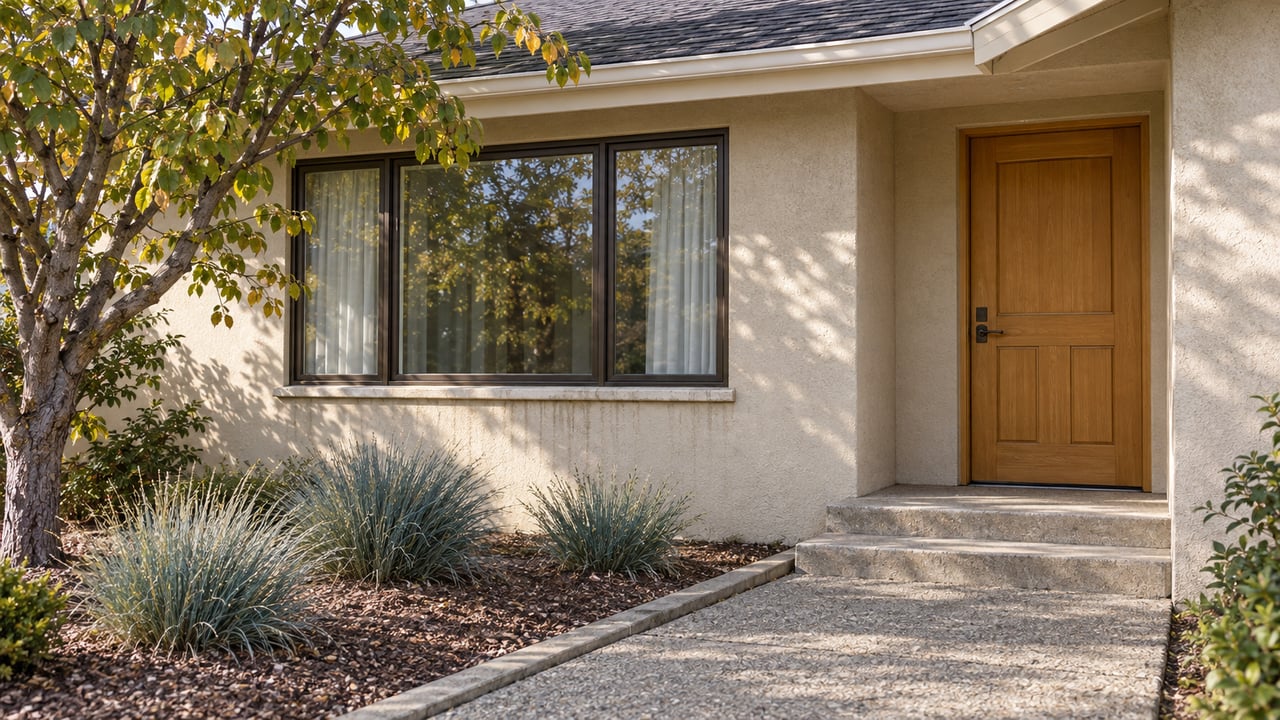
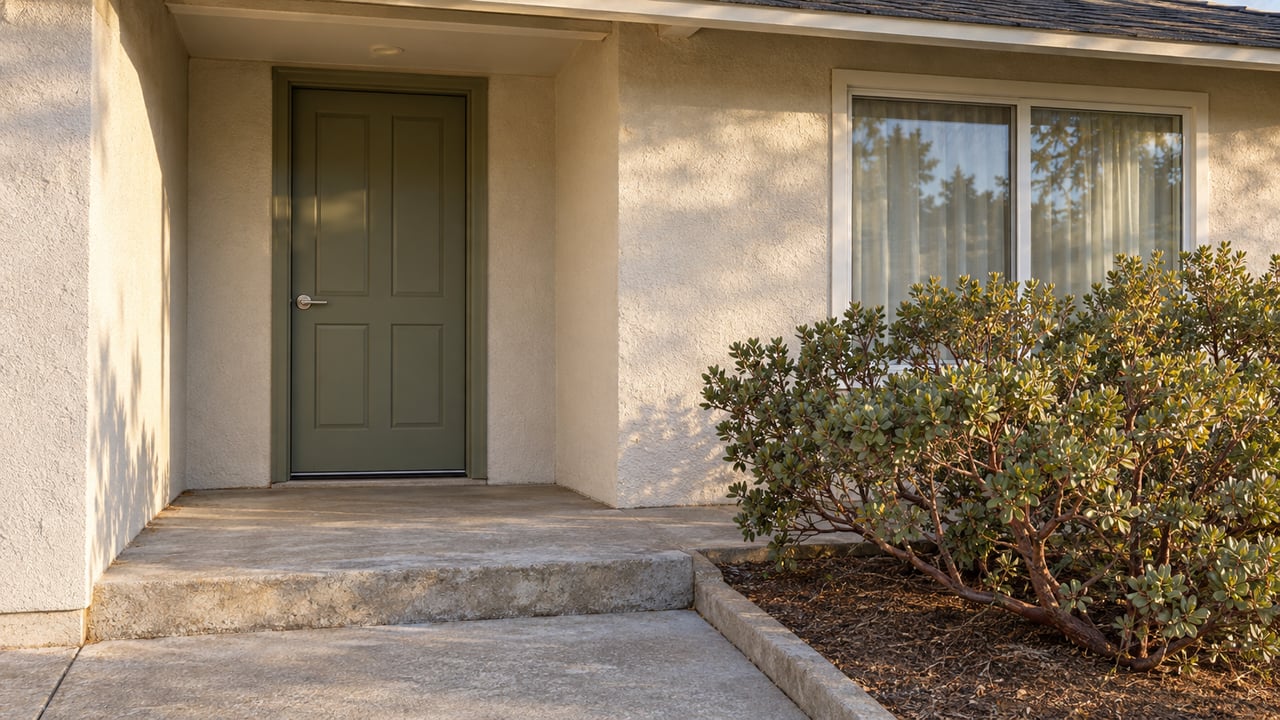
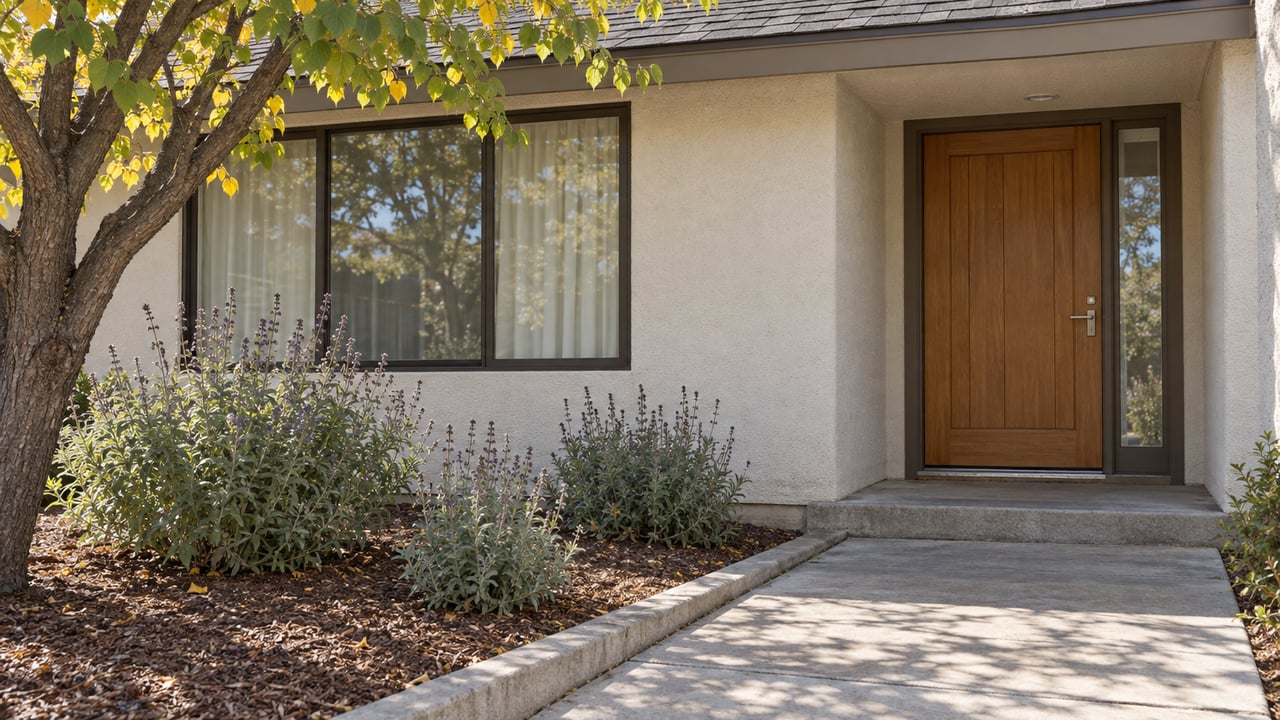
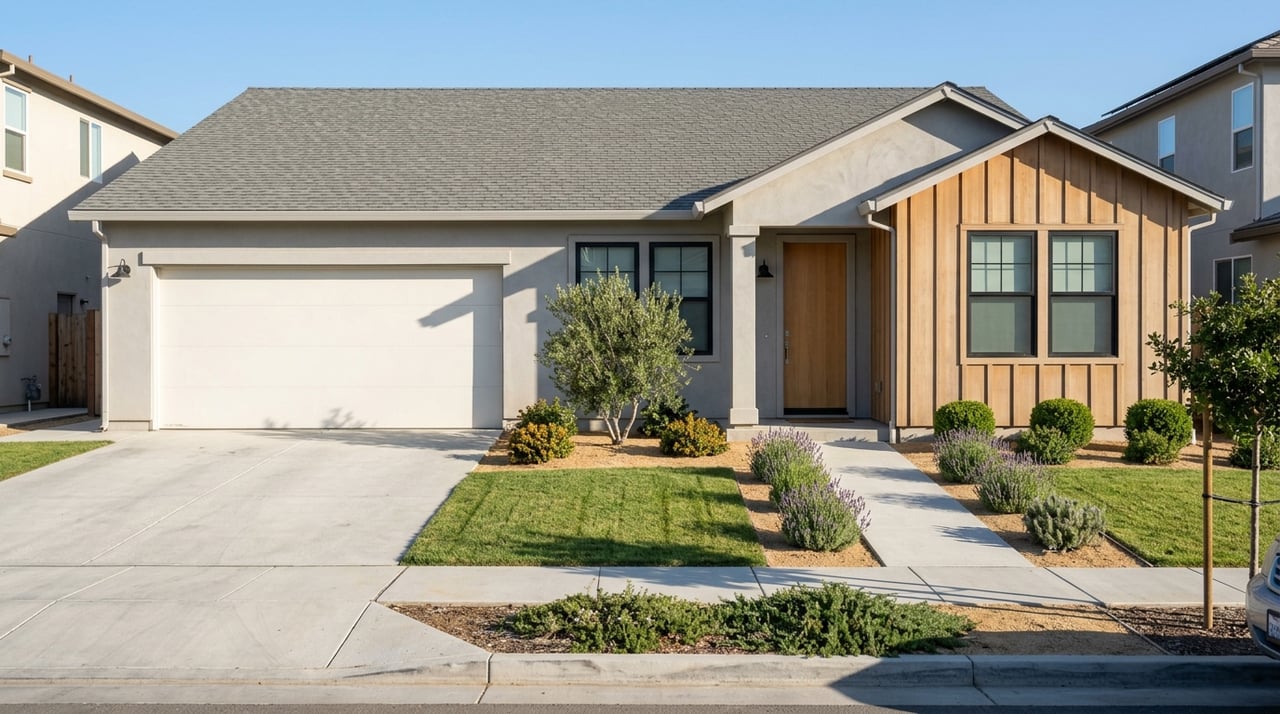
Single-family homes are the core housing type in Antioch. The city’s general plan says single-family residential uses cover the largest developed land area, which helps explain why buyers often look here when they want more traditional suburban housing.
That said, Antioch is not limited to detached homes. Current market data also tracks townhouses and condos or co-ops as separate categories, so you may find options at different price points and maintenance levels. This can be helpful if you want commuter convenience with less upkeep.
The areas that may feel most commuter-oriented are likely the denser parts near Antioch BART and the Rivertown waterfront. That pattern lines up with the city’s planning vision for transit-oriented and mixed-use development in those areas. If your weekday routine depends on easier station access, those locations may deserve a closer look.
Antioch Commute Options to Know
BART Access from Antioch Station
For many Bay Area commuters, Antioch Station is the starting point. BART identifies it as the terminal station on the Antioch to SFIA/Millbrae line, and the station connects to Pittsburg/Bay Point using DMU vehicles.
The station setup matters when you are deciding where to buy. Antioch Station has 1,850 parking spaces, bicycle and pedestrian access to Hillcrest Avenue, electronic bike lockers, and Tri Delta Transit connections. That gives you more than one way to build your daily commute.
Tri Delta Transit Feeder Routes
Your commute may not be rail-only. Tri Delta Transit route 370 is described as a direct, high-frequency connection between Pittsburg/Bay Point BART, Los Medanos College, and Antioch BART, and route 371 also serves the Antioch BART and Pittsburg-Bay Point BART connection.
For you as a buyer, this means it is smart to think beyond simple driving distance. A home may work well because of bus access, park-and-ride convenience, or a smoother connection to BART. Looking at the full chain of the commute often gives a more accurate picture than looking at a map alone.
Driving Routes and Freeway Reality
If you drive, State Route 4 is a major part of the conversation. Caltrans describes SR-4 as the primary east-west highway in northern Contra Costa County, and regional transportation materials note that SR-160 links Sacramento to Antioch.
In plain terms, driving from Antioch is usually freeway-oriented. That is why one of the most important buying questions is not just, “How far is this home from work?” It is also, “How easily can I reach the station, freeway, or main route I will actually use most often?”
What the Commute Tradeoff Really Means
Buying in Antioch usually means making a conscious tradeoff. You may gain more space and a lower purchase price than you would in Oakland, Hayward, or Berkeley, but you will likely accept a commute that takes more planning.
That does not make Antioch a compromise for everyone. In many cases, it is a strategic choice for buyers who care more about home size, monthly value, and a suburban routine than being close to the inner East Bay. The right fit depends on how often you commute, what time you travel, and how flexible your schedule is.
Redfin’s May 2026 numbers also suggest a market that still requires preparation. Homes averaged 2 offers and 21 days on market, and Redfin labels Antioch as very competitive. So while Antioch may offer more value, you still want a clear game plan when you start making offers.
Who Antioch Fits Best
Antioch tends to work best for buyers whose schedules allow some flexibility. If you work hybrid, commute a few times a week, or can use BART, feeder buses, or a park-and-ride routine, Antioch can make strong practical sense.
It may also be a fit if your top priority is getting more house for your money. If you have been priced out of inner East Bay options, Antioch’s price difference can shift what is possible for you.
For first-time buyers especially, that can mean moving from “maybe someday” to a real purchase plan. A lower median price does not automatically mean easy buying, but it can create more room to align your budget with your lifestyle goals.
Who May Want to Think Twice
Antioch may be less ideal if you need the most predictable daily drive into the inner East Bay during peak hours. Because commuting often depends on SR-4, SR-160, and a transfer-based rail setup, the process can feel more demanding if you need a straightforward, repeatable trip every day.
It may also feel less aligned if you want a highly walkable, urban environment with a dense mix of amenities close together. Antioch’s planning profile is more suburban, even though it includes specific activity areas like Hillcrest and the waterfront.
This is not about one place being better than another. It is about matching your home search to the way you actually live. When your weekday routine and weekend priorities are clear, the decision gets easier.
Lifestyle Beyond the Commute
A big reason some buyers choose Antioch is that it is not only about getting in and out of town. The city’s downtown specific plan describes Rivertown and the waterfront as a public-access district centered on boating, fishing, observation, restaurants, and path-based recreation.
The city’s general plan also points to open-space assets such as Black Diamond Mines, Contra Loma Regional Park, Antioch Dunes National Wildlife Refuge, and municipal parklands. If your idea of a good week includes more outdoor time and a calmer suburban pace, these features can be part of Antioch’s value.
That lifestyle piece matters. A longer or more involved commute can feel more worthwhile when your day-to-day home life gives you more space and easier access to recreation.
How to Evaluate Antioch as a Buyer
If Antioch is on your list, it helps to compare homes through a commuter lens instead of price alone. A lower purchase price is important, but your weekly routine will shape how satisfied you feel after closing.
Here are a few smart questions to ask as you narrow your options:
- How often will you commute each week?
- Will you drive, take BART, or combine the two?
- How important is quick access to Antioch Station?
- Do you want a single-family home, or would a townhouse or condo better support your schedule?
- Do you prefer a more suburban setting, or do you need a denser, more walkable daily environment?
These questions can keep you focused on fit, not just affordability. That is especially important in a competitive market where it is easy to rush toward price savings without fully thinking through the lifestyle side.
Buying with a Clear Plan
If you are relocating within the Bay Area or buying your first home, Antioch can be a smart option when the numbers and the commute both make sense for you. The key is to evaluate the home, the route, and your day-to-day routine together.
That kind of step-by-step approach can reduce stress and help you buy with more confidence. Instead of guessing whether Antioch is “worth it,” you can measure it against what matters most to you: budget, space, transportation, and the pace of life you want.
When you are ready to compare Antioch with other East County options, Deborah Maisterrena can help you sort through the tradeoffs, identify the best-fit neighborhoods for your commute, and move forward with clear, steady guidance.
FAQs
Is Antioch a good place for Bay Area commuters buying a home?
- Antioch can be a strong fit if you want more house for your money and can manage a more logistics-driven commute using BART, feeder buses, park-and-ride, or freeway routes.
How much cheaper is Antioch than Oakland, Hayward, or Berkeley?
- Redfin’s May 2026 data shows Antioch’s median sale price at $614,632, which is about 31% lower than Oakland and Hayward and about 59% lower than Berkeley.
What types of homes can you buy in Antioch?
- Antioch is known primarily for single-family homes, but current market data also shows townhouses and condos or co-ops as available options.
Does Antioch have BART access for commuters?
- Yes. Antioch Station is the terminal BART station on the Antioch to SFIA/Millbrae line and includes parking, bike access, and Tri Delta Transit connections.
What should buyers consider before moving to Antioch for a commute?
- You should look at more than price by comparing station access, freeway access, commute frequency, and whether your lifestyle fits a more suburban setting with a longer or more planned-out trip.
Is Antioch a good choice for first-time buyers leaving the inner East Bay?
- Antioch may appeal to first-time buyers who want more space and a lower median price than inner East Bay cities, especially if they are comfortable with a commute that takes more planning.