Buying your first investment property can feel exciting and intimidating at the same time. In Lodi, where home prices, rents, taxes, and local rules all matter, it helps to start with a simple plan instead of trying to learn everything at once. This guide will walk you through what to focus on first, what numbers to review, and how to make smarter decisions with less stress. Let’s dive in.
Why Lodi Can Be a Practical First Market
Lodi gives first-time investors a market with a clear housing profile and useful local data. The city had 68,642 residents as of July 2024, and the owner-occupied housing rate was 56.8%. That gives you a helpful starting point if you are trying to understand the balance between homes people own and homes people rent.
Home values and rents also give you a realistic frame for your search. Census data lists the median owner-occupied home value at $492,500 and median gross rent at $1,680. Recent market trackers put the median sale price around $493,000 to $500,000 in early 2026, so you can use that range as a rough benchmark when planning your budget.
Start With the Right Property Type
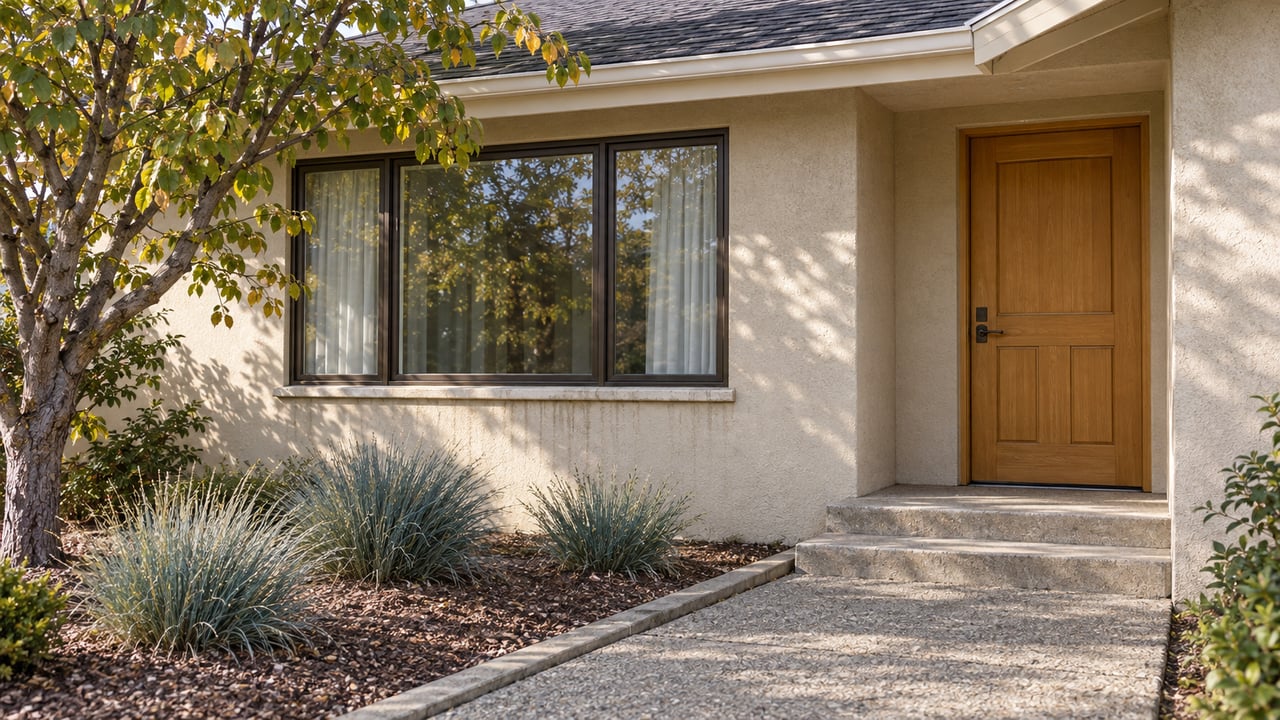
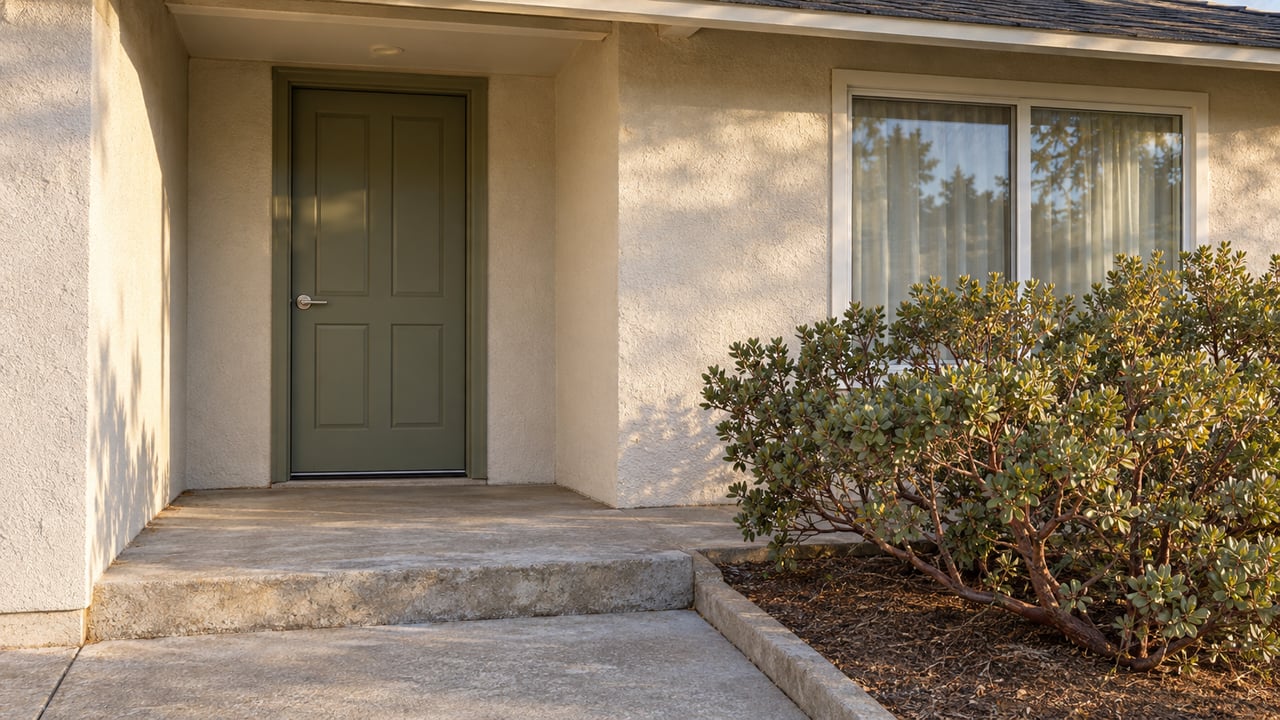
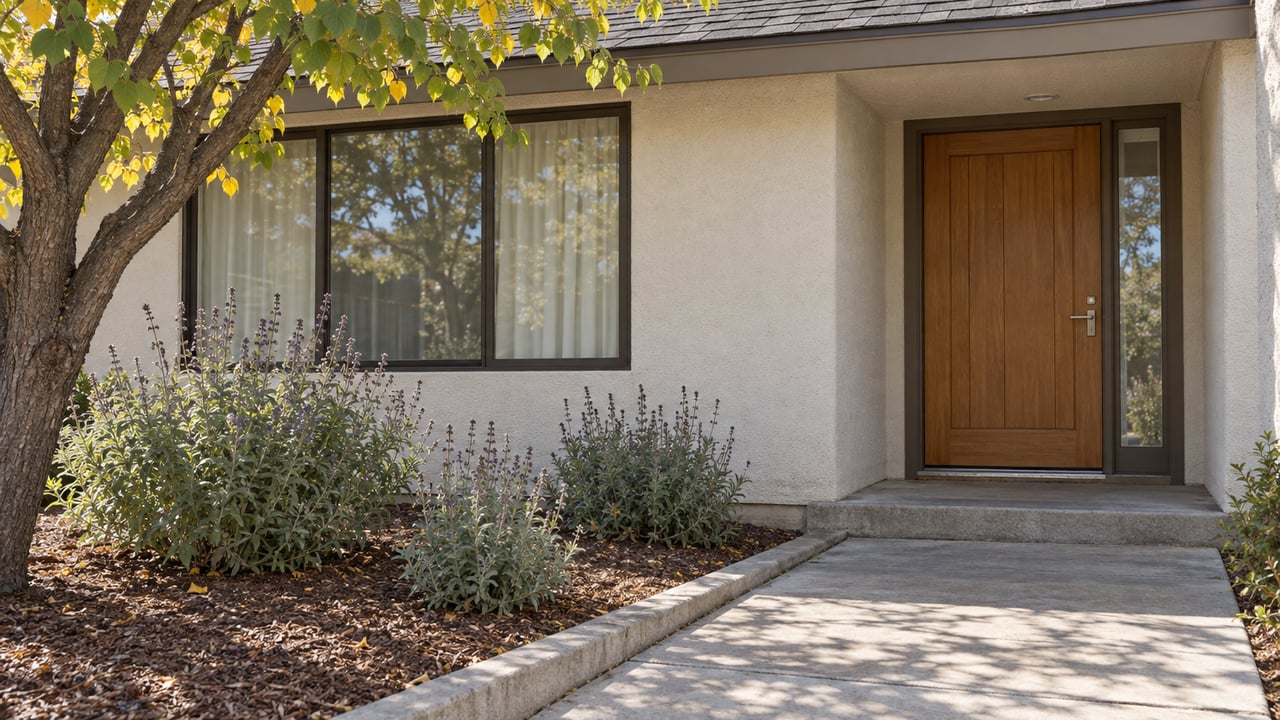
For a first investment, the best starting point is often the property type that is most common and easiest to understand. In Lodi, single-family detached homes make up close to 65% of the housing stock. The city’s housing data also shows an inventory that leans heavily toward 2-bedroom and 3-bedroom homes.
That matters because your first purchase does not need to be overly complex. In Lodi, a single-family home is often the most natural entry point, while a small multifamily property or a home with ADU potential may be the next step if you want more flexibility. The goal is to choose something you can evaluate clearly, finance confidently, and manage without feeling overwhelmed.
Lodi Housing Mix at a Glance
According to the city’s housing element, Lodi includes:
- 15,386 detached homes
- 1,512 attached homes
- 1,924 properties with two to four units
- 4,452 properties with five or more units
- 532 mobile homes
This mix shows why many first-time investors begin with a detached home, then explore added income options later.
Get Financing Ready Early
One of the biggest mistakes first-time investors make is shopping for property before they have a full financing picture. A better approach is to get clear on your budget, cash reserves, and loan options first. That helps you move faster when the right property appears.
You will also want to budget for more than the down payment. Closing costs typically run about 2% to 5% of the purchase price. On a $500,000 purchase, that works out to about $10,000 to $25,000 just for closing costs.
Beyond that, you should plan for moving costs, repairs, and an emergency cushion. A reserve equal to three to six months of expenses can give you more breathing room if you face a vacancy, an unexpected repair, or a slower rent-up period. That kind of preparation can make your first deal feel much more manageable.
What to Do Before You Shop
Before you start touring homes, make sure you:
- Review your savings and available cash
- Estimate closing costs based on your target price range
- Set aside funds for repairs and updates
- Keep an emergency reserve for several months of expenses
- Talk with more than one lender
- Get preapproved early
Comparing lenders is not just about chasing the lowest rate. You also want to understand the full monthly payment, loan terms, and how each option fits your long-term plan.
Build Your Budget Around Real Ownership Costs
Your mortgage payment is only one part of the picture. If you want your first investment to work, you need to budget just as carefully for taxes, insurance, repairs, and any HOA dues that may apply.
In San Joaquin County, property taxes are based on the state-mandated 1% of assessed value, and the county’s average overall rate is about 1.1% when bond debt is included. On a $500,000 purchase, that comes out to roughly $5,500 per year before parcel-specific assessments. Secured property taxes are due in two installments, on November 1 and February 1.
You should also pay close attention to repair risk. Lodi’s planning documents note low vacancy and older housing stock as part of the city’s affordability challenges. For an investor, that is a reminder to inspect carefully and avoid underestimating maintenance.
A Simple First-Deal Budget Checklist
As you run numbers, include:
- Mortgage principal and interest
- Property taxes
- Insurance
- Repair and maintenance reserves
- HOA dues, if any
- Vacancy allowance
- Property management or handyman support if needed
When you budget this way from the start, you get a clearer view of whether a property truly fits your goals.
Use a Rent Range, Not One Rent Number
One of the easiest ways to get into trouble is to assume rent based on a single online estimate. In Lodi, a better strategy is to compare several benchmarks and use a reasonable range.
Current data gives you a few useful reference points. Census QuickFacts shows median gross rent at $1,680. The city’s planning data lists fair market rent benchmarks of $1,513 for a 2-bedroom unit and $2,150 for a 3-bedroom unit. Zillow reported an average rent of $2,031 in March 2026.
These numbers do not mean every property will rent at the same level. Condition, bedroom count, layout, updates, and overall market timing all matter. Still, using a range instead of one number helps you avoid building your deal around overly optimistic assumptions.
A Smarter Way to Estimate Rent
When you analyze a property in Lodi, try this approach:
- Start with the city and census benchmarks
- Compare the bedroom count to fair market rent figures
- Review current market rent averages as a reality check
- Adjust for condition, age, and features
- Run your numbers using a conservative estimate first
If the deal only works at the highest possible rent, it may not be the right first purchase.
Pay Attention to California Rental Rules
Your first investment is not just about buying well. It is also about operating the property responsibly once you own it. In California, rent limits and fair housing compliance should be part of your planning from day one.
California’s Attorney General states that AB 1482 caps rent increases for most residential tenants at the lower of 10% total or 5% plus CPI over a 12-month period. That means future rent growth may not be as simple as raising the rent to match the market whenever you choose. Knowing that upfront helps you set more realistic expectations.
Fair housing rules matter just as much. The California Civil Rights Department states that fair housing protections apply to landlords, screening companies, property managers, real estate agents, mortgage lenders, and others. In practical terms, that means your screening process, lease setup, and day-to-day decisions all need to follow the rules.
Local Help for Compliance
Lodi points landlords to the San Joaquin Fair Housing Association for training and education. That includes guidance on:
- Fair housing laws
- Tenant screening
- Rental agreements
- Proper notices
- Landlord-tenant compliance
If you are new to investing, this kind of local support can save you time, reduce risk, and help you start on the right foot.
Consider ADU Potential in Lodi
If you want a little more flexibility from your first purchase, ADU potential is worth a look. The City of Lodi describes ADUs and JADUs as a way to increase housing production and notes that they may provide income for homeowners. The city also offers free pre-approved ADU plans.
This does not mean every property is a good ADU candidate. Lot size, layout, access, and city standards all matter. Still, if you are choosing between similar homes, ADU potential can be a useful tie-breaker because it may create future income options.
Lodi’s planning documents also project about 56 ADUs during the 2023 to 2031 Housing Element period based on recent permit trends. That shows ADUs are not just a theory in this market. They are part of the city’s real housing strategy.
Build a Strong Local Team
You do not need to figure out your first investment alone. In fact, you will usually make better decisions when you have the right people around you early in the process.
A sensible first-time investor team in Lodi should include a lender, real estate agent, home inspector, insurance contact, property manager or handyman, and tax professional. Each person helps you evaluate a different part of the deal, from financing and property condition to risk and ongoing costs.
This is also where local guidance can make the process feel less stressful. A hands-on agent can help you narrow your target property type, sense-check the price range, and coordinate the moving parts around inspections, lender communication, and offer strategy. That kind of support is especially valuable when you are buying your first rental.
A Simple Plan for Your First Lodi Investment
If you want to keep things practical, focus on five steps. Start with the most common property types in Lodi, get financing lined up early, budget for taxes and repairs as carefully as the mortgage, verify rent using multiple benchmarks, and prepare for compliance before you close.
That approach may not sound flashy, but it is often the difference between a stressful first deal and a confident one. The best first investment property is usually the one you understand clearly, can afford comfortably, and can manage responsibly.
If you are thinking about buying your first investment property in Lodi, working with someone who values clear advice, steady communication, and step-by-step support can make the process much easier. Reach out to Deborah Maisterrena to talk through your goals and map out your next move.
FAQs
What is a realistic first investment property type in Lodi?
- In Lodi, many first-time investors start with a single-family detached home because it is the most common housing type in the city, with small multifamily properties and homes with ADU potential as other options to consider.
How much should you budget beyond the down payment for a Lodi investment property?
- You should plan for closing costs of about 2% to 5% of the purchase price, plus reserves for repairs, insurance, taxes, and an emergency cushion of several months of expenses.
What property tax costs should you expect for a Lodi rental property?
- In San Joaquin County, the average overall property tax rate is about 1.1% including bond debt, so a $500,000 property would be roughly $5,500 per year before parcel-specific assessments.
What rent numbers should you use when analyzing a Lodi investment property?
- A smart approach is to use a range based on local benchmarks, including the city’s fair market rent figures, census median gross rent data, and current market rent averages, then underwrite the property using a conservative estimate.
What rental rules matter when buying your first investment property in Lodi?
- California rules around rent caps under AB 1482 and fair housing compliance are important from the start, and Lodi directs landlords to the San Joaquin Fair Housing Association for local training on screening, agreements, notices, and landlord-tenant compliance.
Is ADU potential worth considering for a first investment property in Lodi?
- Yes, ADU potential can be worth considering because the City of Lodi identifies ADUs and JADUs as a possible income source and provides free pre-approved ADU plans, though each property still needs to be evaluated individually.