If you are wondering whether Lodi feels sleepy, trendy, rural, suburban, or something in between, the honest answer is: a little of each. That mix is exactly why many buyers find it appealing. If you want a clear picture of daily life in Lodi, this guide will help you understand the pace, layout, housing, and lifestyle so you can decide whether it fits your next move. Let’s dive in.
Lodi has a small-city feel
Lodi is home to about 68,642 residents, which gives it a size that feels manageable without feeling tiny. You are not looking at a dense urban core, but you are also not limited to a quiet bedroom community with little going on.
The city describes itself as a diverse community with residential areas, a historic downtown, commercial and industrial zones, and open space for recreation. In day-to-day life, that usually feels like a city where you can handle the basics close to home while still enjoying a more relaxed pace.
Lodi’s identity is closely tied to agriculture and wine. The Lodi-Woodbridge region includes more than 90,000 acres of vineyards, produces a crop valued at more than $350 million annually, and includes more than 60 wineries, many with tasting rooms.
That wine-country backdrop shapes the feel of the city. You get a place with local character, long-standing history, and a setting that feels more grounded and self-contained than many fast-growing suburban markets.
Downtown gives Lodi its personality
If you want the most walkable and active part of Lodi, downtown is where that feeling comes through most clearly. This is the area where restaurants, tasting rooms, boutiques, galleries, and live music are clustered within a few blocks.
For many people, downtown adds energy without making the city feel hectic. You can spend an afternoon walking between shops, stopping for a meal, or catching a community event, then head back to a quieter residential area within minutes.
That said, it helps to have realistic expectations. Lodi has walkable pockets, especially near the core, but much of everyday life outside downtown is still more car-oriented.
If you are hoping for an urban lifestyle where nearly every errand is walkable from every neighborhood, Lodi may feel less convenient than a big city. If you like having a true downtown but do not need that experience everywhere, the balance may feel just right.
Outdoor recreation is part of everyday life
One of the strongest parts of living in Lodi is how easy it is to enjoy the outdoors. The city manages 367 acres of parkland across 28 parks, which gives residents a wide range of places to spend time outside.
Amenities include a lake with river access, a nature preserve, dog parks, a swimming beach and pools, a skate park, a boat launch, and open space. That variety makes recreation feel built into the city rather than limited to one or two standout spots.
Lodi Lake is a major part of that experience. It offers kayak and stand-up paddleboard rentals, boat tours, a beach, trails, and walking paths along the Mokelumne River.
For buyers who want an easier pace with room to get outside, this can be a meaningful plus. You do not have to plan a big weekend trip just to enjoy water access, a trail, or a park day.
Local events help Lodi feel active
Smaller cities can sometimes feel quiet in a way that reads as limited. Lodi tends to avoid that because recurring events help keep the community calendar active through the year.
The city highlights a semi-annual street fair, weekly farmers markets, monthly Art Hops, and the long-running Lodi Grape Festival. Downtown also supports an ongoing mix of dining, tasting rooms, shopping, and community events.
That means the city often feels more lively than its size might suggest. You may not get the nonstop pace of a major metro, but you do get regular reasons to be out and about.
For many buyers, that is a sweet spot. There is enough going on to keep weekends interesting, but not so much that daily life feels rushed or crowded.
Getting around is practical
Lodi sits in northern San Joaquin County, about 35 miles south of Sacramento, 12 miles north of Stockton, and 90 miles east of San Francisco. That location gives it a practical position for people who want access to larger job centers and regional destinations without living in the middle of them.
The city notes daily Amtrak passenger service from Lodi to San Francisco, Los Angeles, Sacramento, and points in between. Nearby Stockton also offers ACE service to San Jose.
The mean travel time to work is 24.1 minutes, which helps support the idea that Lodi works well for many everyday routines. It feels connected, but not overbuilt.
In plain terms, Lodi is convenient in a solid, practical way. It is not trying to be flashy or ultra-urban. Instead, it offers the kind of access many households want for work, errands, and weekend plans.
Housing in Lodi feels varied but mostly residential
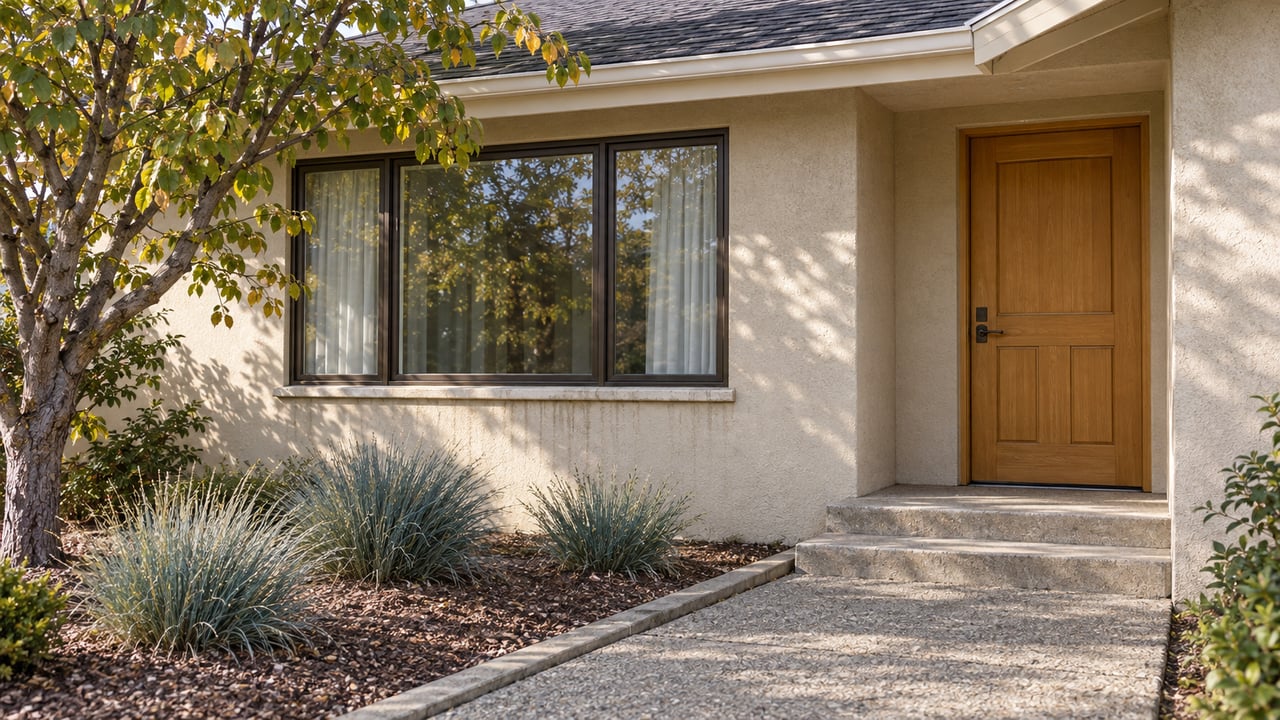
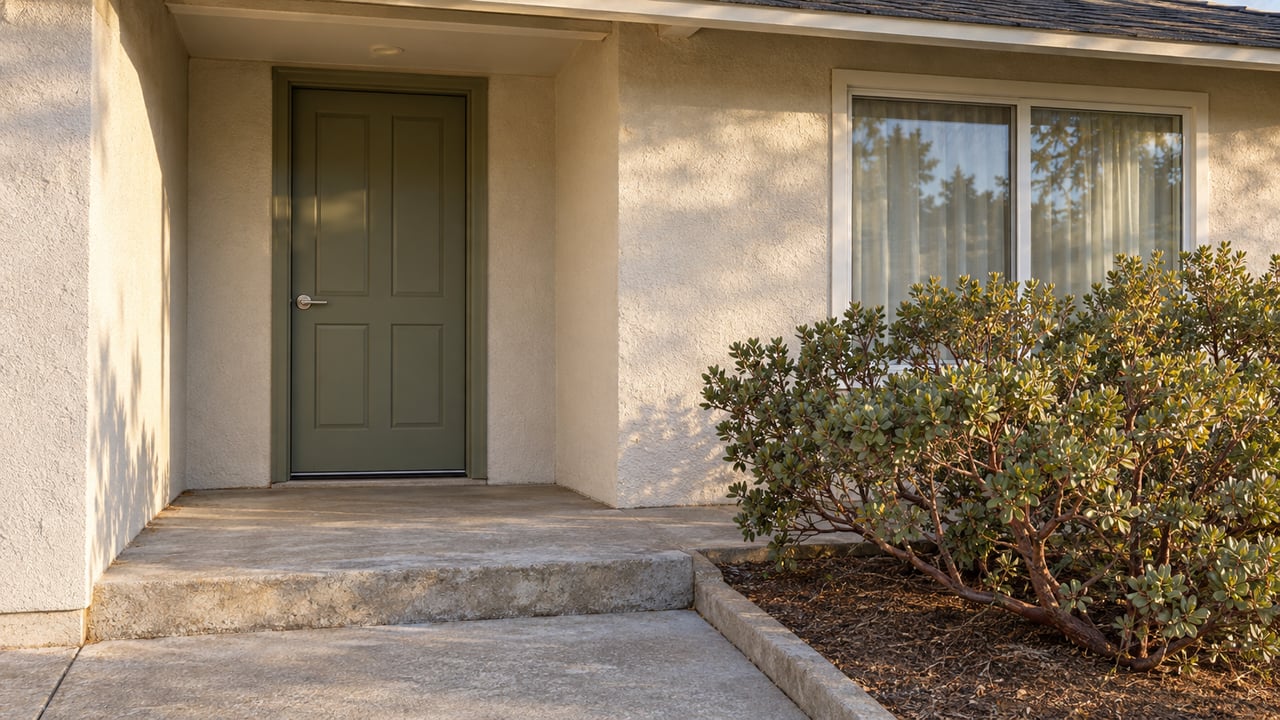
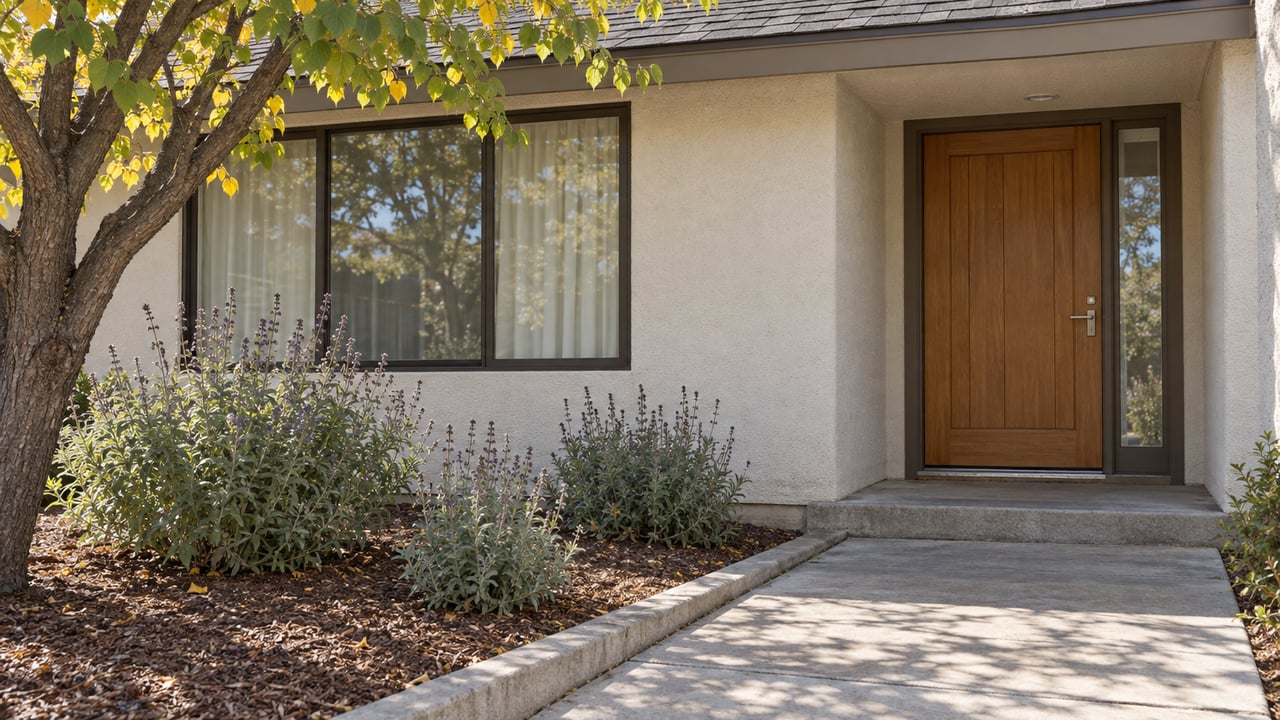
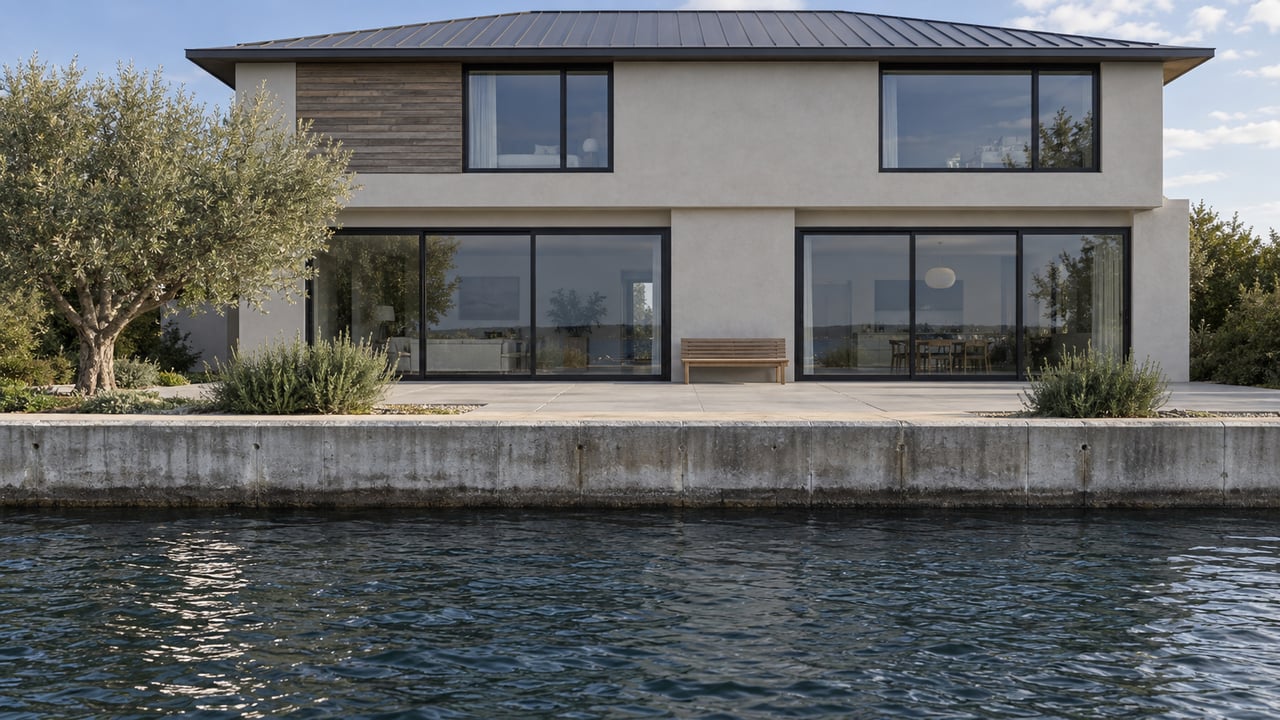
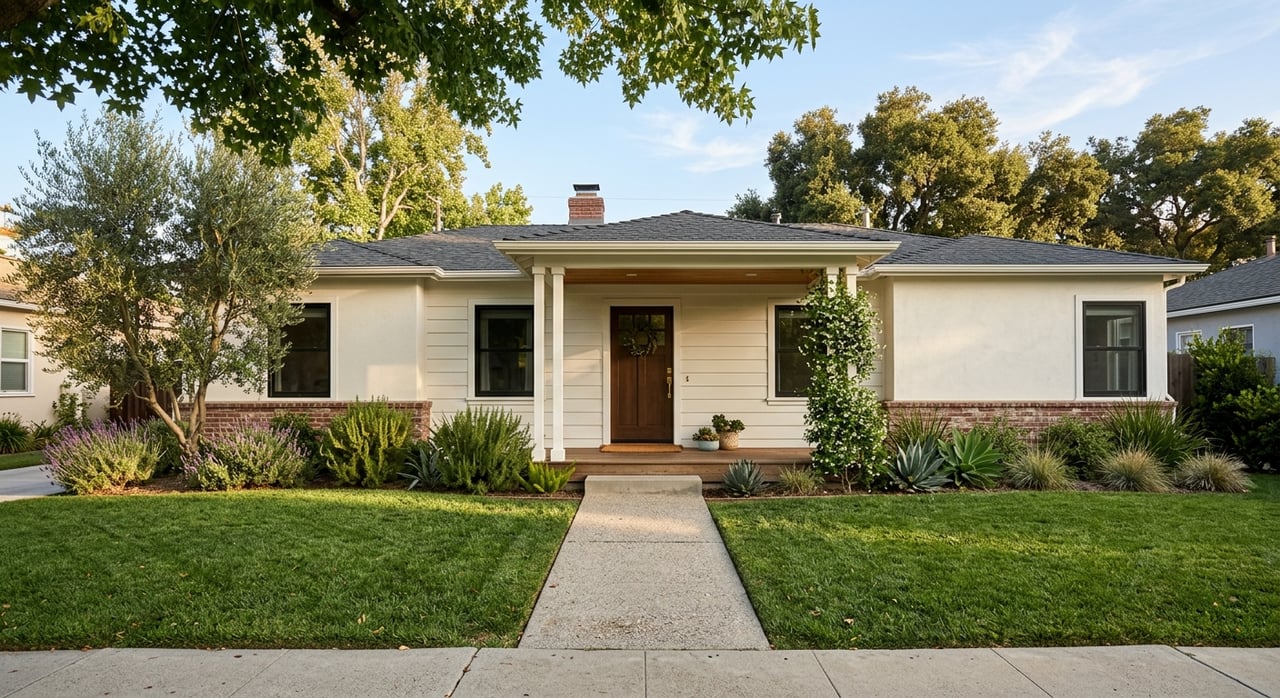
If you are home shopping in Lodi, one of the first things you may notice is that single-family detached homes are still the dominant pattern. The city’s general plan says residential land is largely low-density detached housing, which gives many parts of town a familiar suburban layout.
At the same time, the housing stock is not one-note. You can find historic farmhouses, Victorian cottages, California bungalows, and newer master-planned developments, depending on where you look.
There are also somewhat denser areas, including pockets near Mallard Lake and Hutchins Street, plus an older grid on the east side that can feel a bit more compact. That gives buyers some range in style, lot pattern, and neighborhood feel.
For a buyer, this means your experience of Lodi can change a lot based on location. One area may feel more established and central, while another may feel newer and more suburban.
What the price picture suggests
Census data shows an owner-occupied housing rate of 56.8% and a median value of $492,500 for owner-occupied homes. An earlier release listed median gross rent at $1,565, which points to a market that includes both owners and renters.
Recent market data showed a median sale price of $500,000 in March 2026, with homes averaging 54 days on market. The market was described as somewhat competitive.
That price picture places Lodi in a middle ground. It is not an ultra-low-cost market, but it also does not sit in a top-tier luxury bracket across the board.
Even within Lodi, pricing can vary quite a bit. Recent sold examples in Downtown Lodi ranged from roughly $300,000 and $365,000 up to about $710,000 and $752,500, showing how much age, condition, size, and exact location matter.
What kind of buyer may like Lodi most
Lodi often works well for buyers who want character, recreation, and a manageable daily pace. If you like the idea of a real downtown, local events, outdoor access, and wine-country surroundings, Lodi offers a strong mix.
It can also appeal to buyers who want more variety in housing style. Older homes near the central grid may offer charm and established surroundings, while newer edge-of-town subdivisions may better fit buyers who prefer more recent construction.
For first-time buyers, the city can be appealing because it offers several different living experiences within one community. You can compare walkable central pockets, quieter suburban sections, and different home styles without leaving town.
The main trade-off is transportation style. If your ideal lifestyle depends on being able to walk nearly everywhere every day, you may find that only parts of Lodi support that well.
What living in Lodi really feels like
At its core, Lodi feels balanced. It has enough local activity to avoid feeling dull, enough outdoor space to support an easygoing lifestyle, and enough housing variety to attract different kinds of buyers.
It also feels rooted in place. The vineyards, downtown core, parks, and community events give it a distinct identity that goes beyond being simply convenient.
If you are trying to decide whether Lodi fits your goals, the real question is not whether it feels urban or suburban. It is whether you want a city that blends both, with more breathing room and a strong sense of local character.
If that sounds like the kind of move you are considering, Deborah Maisterrena can help you compare neighborhoods, home styles, and price points so you can move forward with clarity and confidence.
FAQs
What does daily life in Lodi, CA feel like?
- Daily life in Lodi generally feels relaxed, practical, and community-oriented, with a mix of residential neighborhoods, a historic downtown, local events, and easy access to parks and recreation.
Is Downtown Lodi, CA walkable?
- Yes, Downtown Lodi is one of the city’s most walkable areas, with restaurants, tasting rooms, boutiques, galleries, and entertainment within a few blocks, though much of the city outside downtown is more car-dependent.
What kinds of homes can you find in Lodi, CA?
- Lodi includes mostly single-family detached homes, along with historic farmhouses, Victorian cottages, California bungalows, newer master-planned homes, and some denser housing pockets near areas like Mallard Lake and Hutchins Street.
Is Lodi, CA good for people who enjoy the outdoors?
- Yes, Lodi offers extensive outdoor amenities, including 367 acres of parkland across 28 parks, plus Lodi Lake for kayaking, paddleboarding, trails, beach access, and riverfront recreation.
Is Lodi, CA a good fit for homebuyers who want city convenience?
- Lodi can be a good fit if you want everyday convenience, a real downtown, and regional access to places like Sacramento and Stockton, but it may be less ideal if you want a fully urban, all-walkable lifestyle throughout the city.